
Buying in Oklahoma City begins with a clear budget, a realistic wish list, and a plan for comparing very different parts of a large metro area. This guide walks through the decisions that can make the search more focused—from financing and inspections to commute routes, property taxes, and offer terms—so you can move forward with useful questions instead of guesswork.
Start with the numbers behind the monthly payment
Oklahoma City offers a broad range of home styles, lot sizes, and price points, but a productive search starts before the first showing. Review your income, savings, recurring obligations, and the amount you would be comfortable applying toward housing each month. The purchase price is important, but it is only one part of the picture. A well-planned budget also considers principal and interest, property taxes, homeowners insurance, mortgage insurance when applicable, utilities, maintenance, and any homeowners association dues.
A mortgage pre-approval can turn those broad ideas into a practical price range. It also lets you compare loan options with a lender before an offer deadline creates pressure. Ask how the interest rate, loan term, down payment, lender fees, and estimated cash to close affect the payment. If you are considering a property that needs updates, discuss whether your financing approach leaves room for repairs after closing. A pre-approval is not a promise to spend the maximum available; it is a planning tool that helps you set a confident ceiling.
It is also wise to keep a reserve after closing. Even a home in excellent condition may bring routine costs such as changing locks, servicing mechanical systems, purchasing window coverings, or handling a small repair. For homes with larger yards, older features, or specialized equipment, plan for upkeep that matches the property. Thinking through these details early gives you more flexibility when comparing homes that may look similar online but carry different ongoing costs.
When comparing two homes, request estimates for taxes, insurance, and association dues before deciding which payment feels more comfortable. The lower list price is not always the lower monthly cost.
Build a search that reflects how you use a home
Oklahoma City covers substantial ground, and the character of available housing can change from one area to the next. Rather than starting with a long list of neighborhood names, begin with your day-to-day priorities. Consider travel routes to work or frequent destinations, proximity to parks and recreation, access to medical services, preferred shopping areas, street patterns, lot size, and the kind of home maintenance you want to take on. These are concrete filters that make a large search area easier to evaluate.
Create three categories: needs, strong preferences, and nice-to-haves. Needs may include a certain number of bedrooms, a one-story layout, garage space, a home office area, or a specific maximum commute time. Preferences might include a covered patio, larger kitchen, fireplace, newer roof, or established landscaping. Nice-to-haves are the features worth celebrating but not allowing to derail an otherwise solid choice. This exercise helps prevent a beautiful finish or staged room from outweighing the items that matter most after move-in.
As you explore, look at each property in context. Visit at more than one time of day when possible, observe traffic patterns, review the route to destinations you use regularly, and note practical details such as drainage, sidewalks, nearby green space, and access points. If school information is relevant to your household, consult the appropriate district directly for current attendance boundaries, programs, transportation details, and enrollment information; boundaries and policies can change.
Look past the listing photos
A showing is an opportunity to assess how a home functions, not simply whether it photographs well. Take your time in each room and picture the practical flow of the layout. Where will groceries come in? Is there useful storage near entry points? Does the primary living space receive the type of light you prefer? Are there enough electrical outlets and work surfaces for your routines? Questions like these often reveal more than the color of a wall or the style of a light fixture.
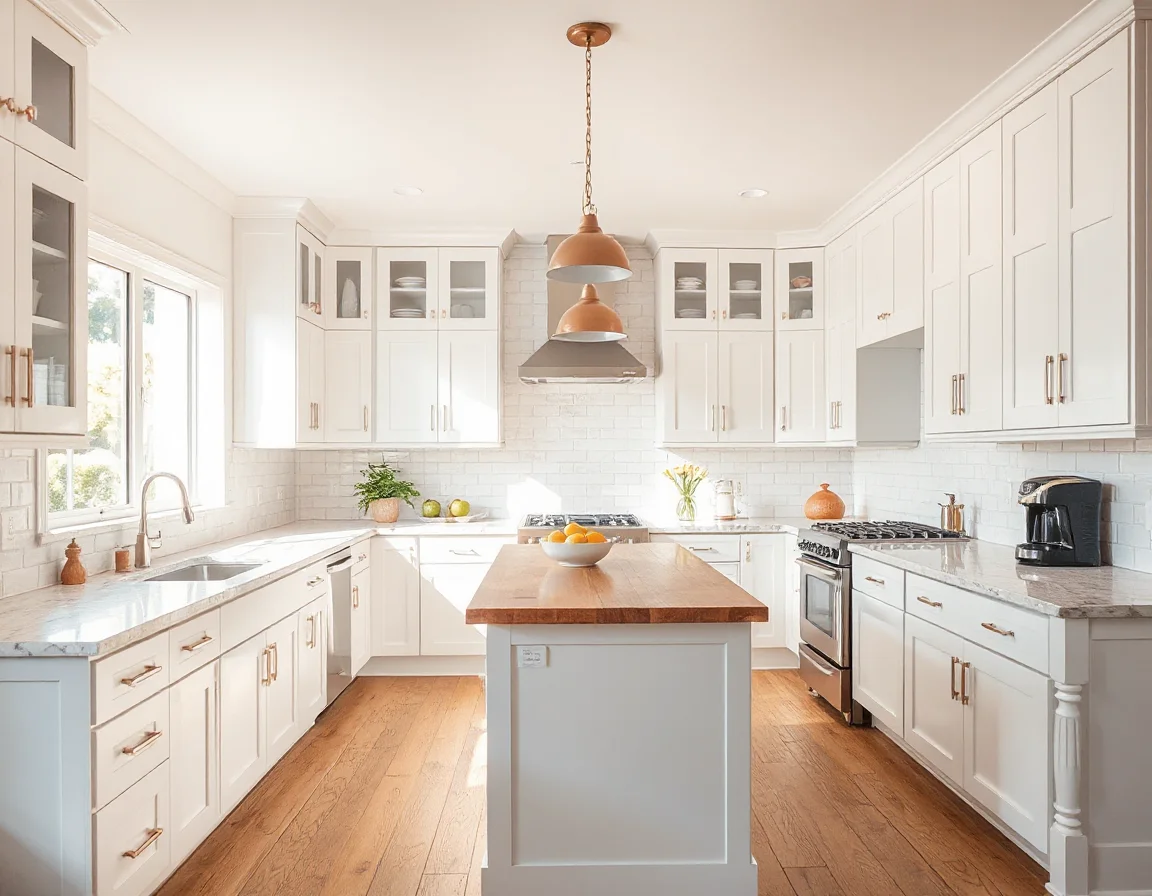
Pay equal attention to systems and exterior conditions. During a visit, note the apparent age and condition of the roof, gutters, windows, exterior paint or masonry, fencing, driveway, and visible grading. Inside, observe ceilings, floors, doors, attic access, plumbing fixtures, electrical panels, heating and cooling equipment, and any areas that appear to have been repaired. These observations do not replace a professional inspection, but they help you ask more focused questions before writing an offer.
In central Oklahoma, weather can be an important part of property evaluation. Ask about storm-related repairs, roof age, drainage, foundation maintenance, and insurance history when information is available. A licensed inspector can provide a detailed assessment of accessible components, while specialists may be useful when the inspection identifies a concern. The goal is not to find a flawless home—few properties are flawless—but to understand condition, likely maintenance, and which items deserve negotiation or future budgeting.
Do not overlook documents. If a property is governed by a homeowners association, review the available rules, dues, budgets, meeting information, and any known assessments before finalizing your decision. For older homes, permits, renovation records, seller disclosures, and utility history can add useful context. A careful document review is one of the best ways to turn an appealing showing into an informed purchase decision.
Make an offer with both confidence and flexibility
Once you find a home that fits your priorities, the offer is more than a number. Purchase price, earnest money, financing terms, inspection provisions, requested closing date, appraisal considerations, and personal-property requests all shape the strength and clarity of an offer. Current competition varies by price range, condition, and location, so the best approach is based on the specific property rather than a one-size-fits-all strategy.
Your agent can help you review comparable recent sales, active competition, listing history, and the property’s condition before you decide on terms. That information can help you set a price grounded in the local market while preserving the protections that matter to you. Be clear about your non-negotiables and the areas where you can be flexible. A prompt, complete offer with understandable terms is often easier for a seller to evaluate than one with unanswered questions.
Inspection periods, appraisal language, and closing timelines are not minor details. Before signing, make sure you understand the dates, responsibilities, and possible next steps attached to every contingency in your contract.
After acceptance, stay organized. Submit lender documents promptly, schedule inspections early, keep records of estimates and communications, and avoid major credit changes before closing unless your lender advises otherwise. Opening new accounts, financing large purchases, or changing employment without discussing it with the lender can affect loan approval. A steady, documented process helps keep the transaction moving toward the finish line.
Use local guidance to turn research into a plan
Buying a home in Oklahoma City is a series of manageable decisions: establish a budget, identify the features that support your routine, inspect carefully, and write an offer that reflects both value and your comfort level. Online research is helpful for narrowing choices, but there is no substitute for seeing homes in person and discussing the local factors that affect each property.
Girl Dad Realty combines direct, agent-led guidance with local Oklahoma City market familiarity and Coldwell Banker marketing and search tools. Whether you are beginning with a broad search or comparing a short list of homes, a clear strategy can make the process feel more organized and more personal. Start with your priorities, leave room for new information, and let each showing bring you closer to a home that works for your next chapter.