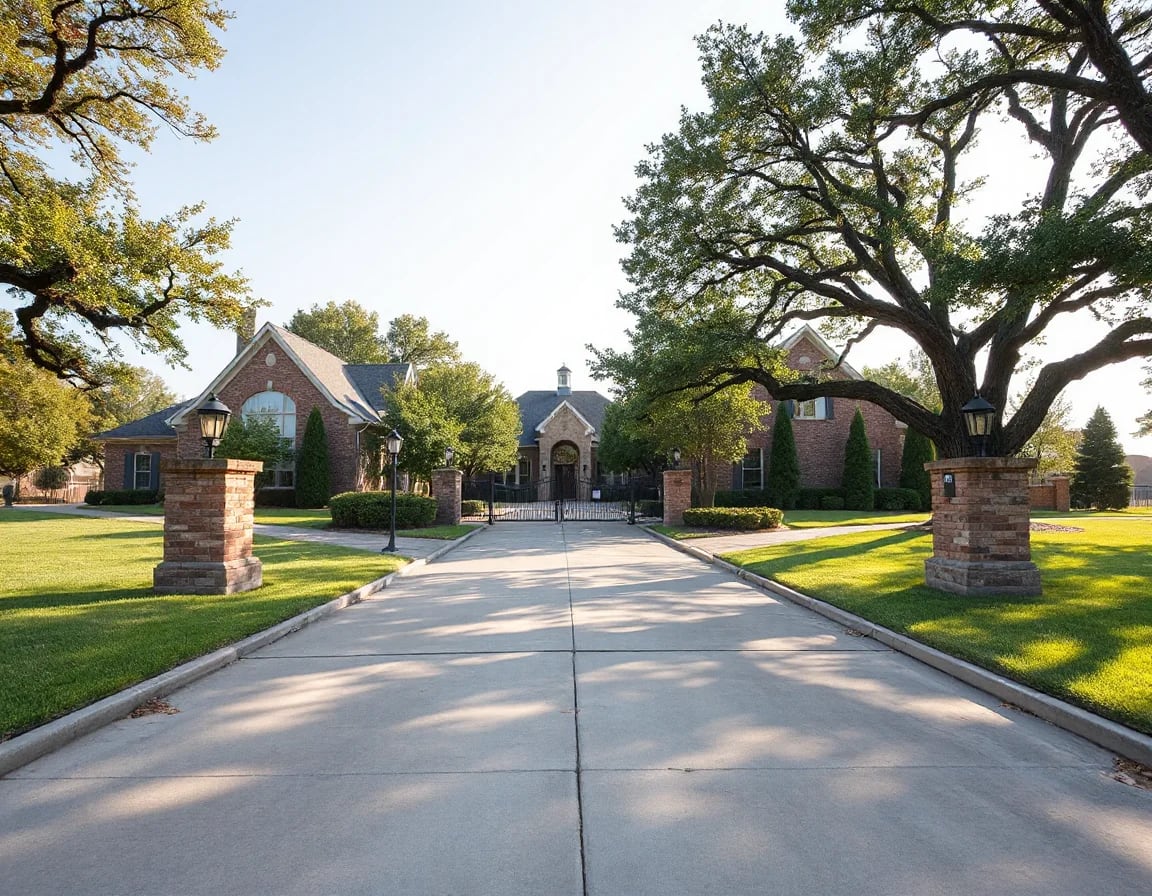
A great Edmond home can be paired with a lot, lake access, and commute pattern that deserve just as much attention as the kitchen or primary suite. Before writing an offer, use these six questions to compare the details that can shape daily routines, future costs, and long-term enjoyment of the property. A little due diligence before the contract can make the next steps feel much clearer.
Start With the Ground Beneath the Home
In Edmond, the property surrounding a home can carry just as much weight as the home itself. Lot shape, drainage, easements, neighborhood rules, nearby roads, and access to outdoor amenities may affect how the property functions from season to season. Listing photos are useful for an introduction, but they do not always show the grade of the yard, the location of utility equipment, or how close a rear fence sits to a drainage corridor.
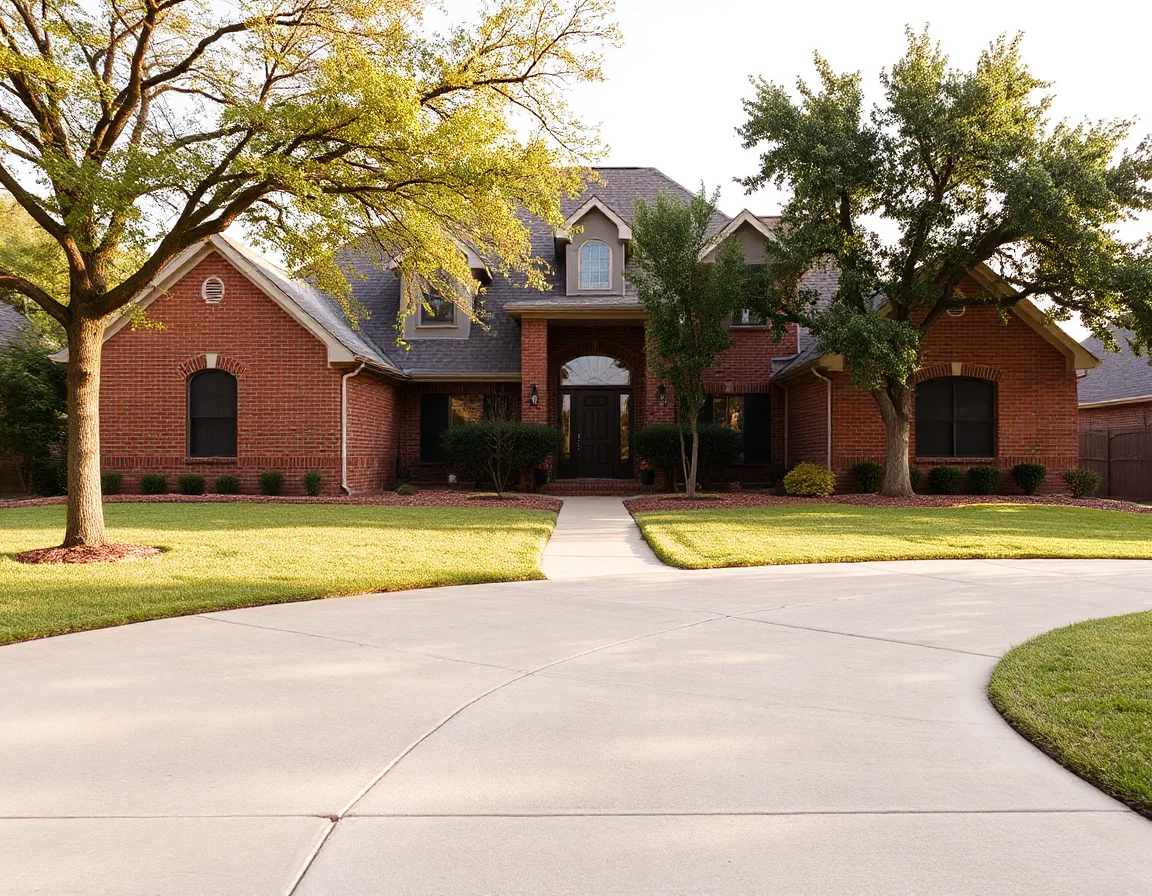
Start by viewing the home at a practical pace. Walk to the edges of the lot, look at the slope from the house toward the street or rear yard, and notice whether downspouts, swales, retaining features, or storm drains are directing water away from the structure. Oklahoma weather can bring heavy rain, so a clear understanding of drainage is not a minor detail. During inspections, ask the appropriate professionals about visible conditions and any maintenance items that may need attention.
1. Where are the boundaries, easements, and utilities?
Ask for the survey when it is available and compare it with the fence lines, driveways, sheds, patios, and visible utility boxes. An easement is a recorded right that may allow utilities, drainage infrastructure, or access across part of a property. It does not automatically mean there is a problem, but it can influence where additions, pools, fences, or landscaping improvements may be placed.
Also look beyond the current setup. A wide side yard may seem ready for a gate or expanded parking, while a backyard may look open enough for a future project. Before relying on that assumption, review the survey, applicable municipal requirements, HOA documents, and contractor guidance. Knowing the usable portion of the lot helps turn a visual impression into an informed decision.
A survey can answer questions that photos cannot: where the lot ends, what crosses it, and whether visible improvements appear to align with recorded boundaries.
2. How does the lot handle sunlight, shade, and weather?
Visit at different times of day if possible. Morning and late-afternoon light can reveal how much shade reaches a patio, whether a west-facing wall absorbs intense afternoon sun, and how a yard feels during the warmer months. Mature trees add texture and shade, but they can also bring ongoing pruning, leaf cleanup, and root considerations near hardscape or plumbing lines.
Pay attention to practical details such as the direction of the driveway, covered outdoor areas, and the placement of windows. A lot’s orientation may influence gardening plans, energy use, outdoor entertaining space, and how quickly rainwater or winter precipitation dries. These are personal-use considerations rather than deal breakers, but they are worth matching to how you expect to use the home.
Questions to Ask About Lakes, Ponds, and Water Features
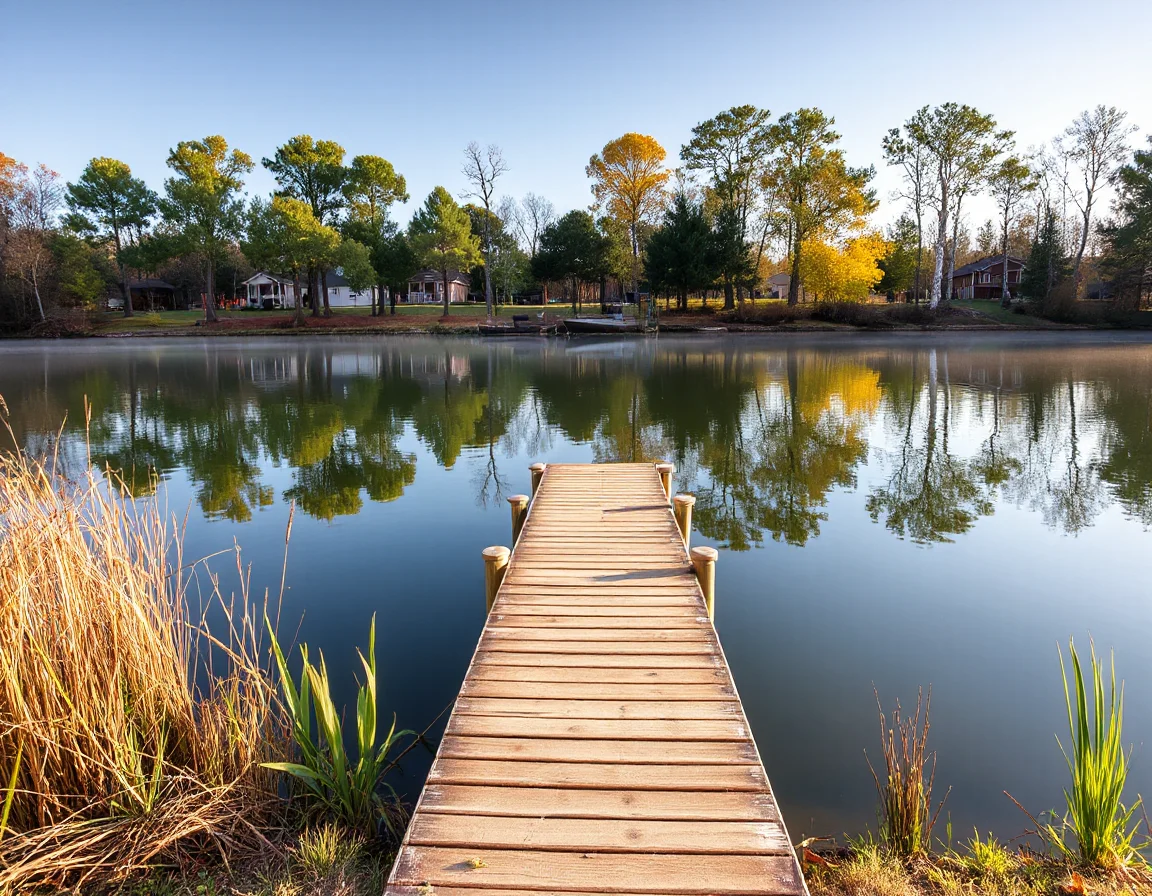
Edmond offers a range of settings, from established neighborhoods with small ponds to areas near larger local recreation destinations. Water views can create a memorable setting, but they also come with ownership, access, maintenance, and drainage questions. A pond behind a fence may be a shared neighborhood feature, a private amenity, or part of a stormwater system; the distinction matters.
3. Who owns and maintains the water feature?
Ask the seller, listing agent, or HOA contact whether the water is privately owned, maintained by an association, or managed by a public entity. Review HOA documents for fees, maintenance responsibilities, fishing or boating rules, and any restrictions related to fencing or shoreline improvements. If a property backs to a retention pond, find out whether access is permitted and whether the pond primarily serves a drainage purpose.
Lake or pond proximity can also bring seasonal changes in insects, wildlife activity, vegetation, and water levels. Those conditions are normal parts of living near water, but they are useful to observe firsthand. A visit after rain or during a different season can provide a more complete picture than a single sunny showing.
4. What does “access” actually mean?
Marketing language can make a water feature sound immediately available, yet access may be limited to common areas, designated paths, or specific association rules. Ask whether there are maintained trails, docks, overlooks, or designated recreation areas, and verify whether they are included in the property’s HOA or community amenities. If a nearby lake is public, review the official rules and driving route rather than assuming direct access from the neighborhood.
A water view and water access are different benefits. Confirm the ownership, rules, and route before treating either one as part of the home’s usable amenities.
Put the Commute to the Test Before You Commit
Edmond’s connection to Oklahoma City, nearby employment centers, retail corridors, parks, and daily errands is one reason location remains central to a purchase decision. But commute time is not a single number. Traffic patterns, school-zone activity, construction, weather, and the time you leave home can all shift the experience of a route.
5. What is the route like at the time you will actually use it?
Use a mapping tool for an initial estimate, then drive the route during the morning, afternoon, or evening window that fits your routine. Check more than one option. A route that looks efficient on a map may involve frequent turns, congestion near a major intersection, or a stretch that changes substantially during peak travel times. Consider regular destinations such as work, medical appointments, groceries, recreation, and regional airport trips as part of the larger location picture.
It is also smart to look at current and planned road work through official city, county, or state transportation sources. Construction is a normal part of a growing metro area, and it can improve connections over time, but it may affect short-term travel patterns. The goal is not to find a perfect route; it is to understand the routes that will become familiar.
Explore Edmond area information
6. What is near the property, and what requires a drive?
A home’s location can support different rhythms. Some properties sit close to parks, trails, dining, services, and community gathering places, while others offer more separation from commercial corridors and require a longer drive for errands. Neither arrangement is inherently better. What matters is how the location aligns with your preferred level of convenience, outdoor access, and travel time.
During a second visit, take a short drive in several directions. Notice road width, traffic flow, sidewalks where present, street lighting, nearby green space, and the condition of the routes you would use most. These observations help provide context without relying only on broad descriptions of an area.
Turn Your Answers Into a Stronger Offer Strategy
Once you have considered the lot, water features, and commute, bring those observations into the offer conversation. A survey review, inspection period, HOA document review, and financing timeline can all be important parts of a well-structured purchase plan. The right details vary by property, so focus on the questions that are most relevant to the home you are considering rather than applying a one-size-fits-all checklist.
Edmond offers a wide range of homes and settings, from established streets with mature landscaping to newer construction near growing corridors. Taking the time to verify what surrounds the house can make your decision more confident and more specific to your priorities. A thoughtful offer starts with seeing the whole property—not just the rooms inside it.